


Damaging insects, weeds, and disease pressure can affect crop health long before visible damage appears. Effective spraying practices protect yields, manage input costs, and keep your ag work moving.
An effective spraying routine and method takes more than filling the tank and making a pass; it starts with a smart plan, the right equipment, careful calibration, and trusted support that helps your sprayer stay ready when timing is critical.
1. Start With Your Pest Problem
Before choosing a sprayer setting or product, you need to define the challenge you’re facing in the field. Are you managing weeds, insect pressure, disease, or spot treatment around a larger property? The better defined the target, the easier it is to select the right application method.
Regular scouting gives you a clearer picture of where pressure is building and how quickly it could spread. Pay special attention to:
- Pest type and growth stage
- Crop stage and canopy density
- Field zones with heavier pressure
- Soil moisture and plant stress
- Wind, temperature, humidity, and rain in the forecast
2. Match the Sprayer to Your Operation
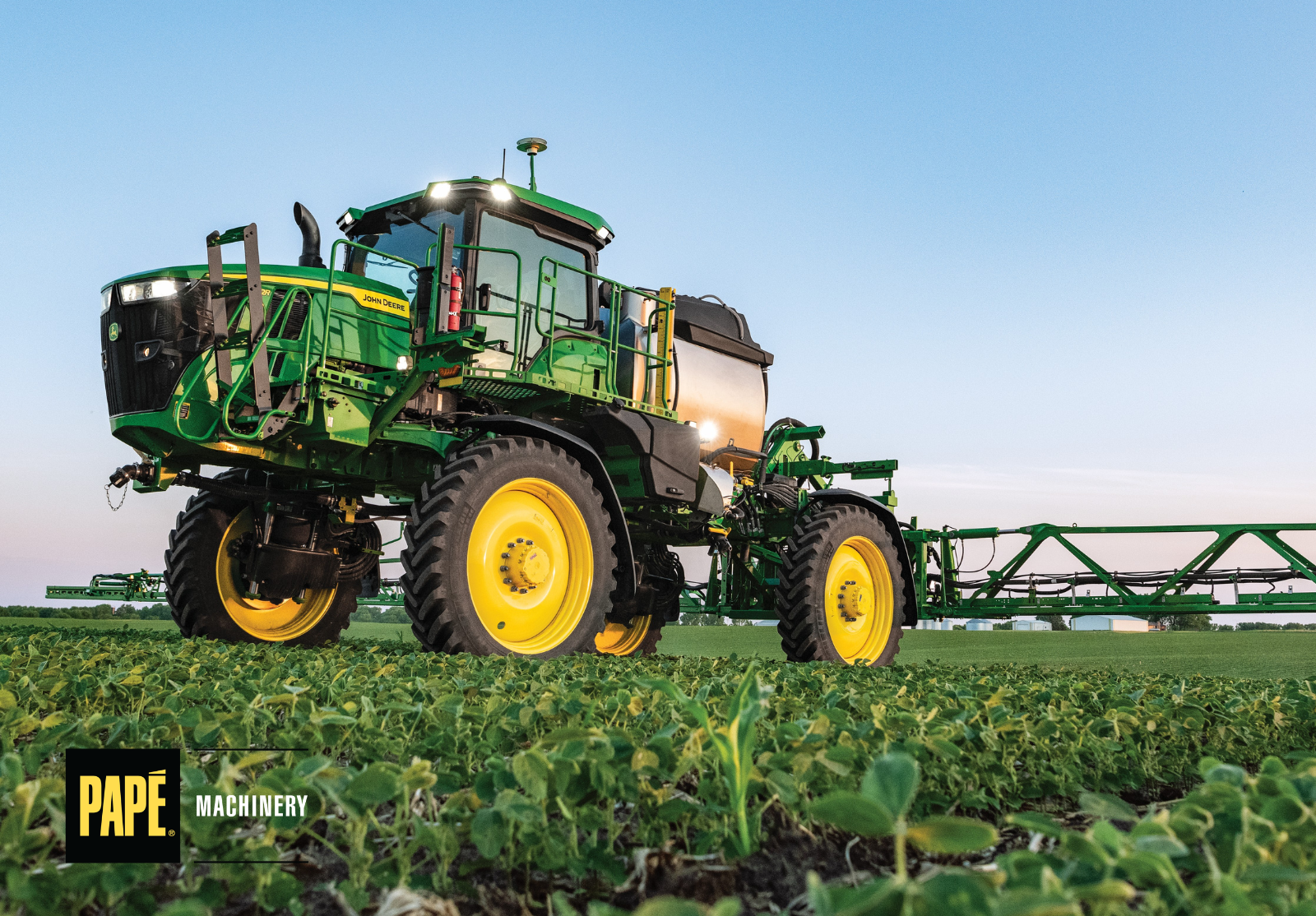
The right agricultural sprayer depends on acreage, crop type, terrain, labor availability, application goals, and maintenance needs. Row-crop operations may need high-capacity self-propelled sprayers, while orchards and vineyards may need equipment built for tighter rows, variable canopy density, and precise placement. Smaller farms and diversified operations may prioritize versatility, ease of service, dependable support, or a quality used sprayer that expands application capacity while staying within budget.
A properly matched sprayer helps maximize productivity and application accuracy during critical spray windows.
3. Calibrate Before the Season and Recheck Often
Even a well-equipped sprayer can underperform when nozzles, pressure, speed, or boom height drift out of spec. Calibration helps ensure the intended rate reaches the target area with consistent coverage. Before peak spray season, inspect the full system:
- Check nozzles for wear, clogs, and uneven spray patterns
- Confirm application rate, pressure, and travel speed
- Review boom height and nozzle spacing
- Clean tanks, hoses, filters, strainers, and screens
- Inspect pumps, seals, fittings, and electronics
- Recheck calibration when changing products, rates, speeds, field conditions, or nozzle types
4. Use Precision Ag to Reduce Overlap and Waste
Precision Ag tools help operators make smarter decisions before, during, and after application. Digital field data, guidance systems, and application records help improve spraying accuracy and efficiency.
John Deere Operations Center helps bring field information into one connected platform, giving operators and managers useful data for planning and review. JDLink™ helps monitor equipment performance and maintenance needs, which is valuable when a short spray window leaves little room for downtime.
Watch our Papé Toolkit video for a quick overview of John Deere Operations Center™ and how it helps growers connect equipment, field data, and farm management decisions.
5. Target Applications With Smart Spray Technology
Smart spraying technology is changing how producers think about pest control. Instead of treating every acre the same way, advanced systems can help identify where product is needed and support more precise placement.
John Deere See & Spray™ uses computer vision and machine learning to target weeds with precision. Depending on the system and application, the technology can support targeted spraying, reduce herbicide use, and provide data that helps operators understand weed pressure and spray coverage. For orchards and vineyards, John Deere Smart Apply™ Technology uses sensors and real-time decision-making to apply material based on canopy conditions and needs. Targeted application can support several goals at once:
- Lower input costs
- Less product waste
- Reduced runoff and drift concerns
- Improved visibility into field conditions
- More sustainable pest management practices
6. Watch Weather, Timing, and Field Conditions
Spraying works best when application timing lines up with pest pressure and field conditions. Wind can affect placement. Rain can increase runoff risk. Heat, humidity, and crop stress can influence application decisions. Pest life cycles can quickly narrow the ideal treatment window.
Always follow product label instructions and consider the full field picture before spraying. During busy seasons, planning ahead can make a major difference. Keep an eye on the forecast, prepare equipment early, and make sure operators have the information they need before the window opens.
7. Stay Ready With Parts and Service Support
Spraying windows can be short, making equipment uptime especially important. A worn nozzle, cracked hose, weak pump, clogged strainer, or sensor issue can delay work when the crop needs protection most. That’s why a reliable partner for parts and service support is key.
Preventive maintenance helps reduce that risk. Replace wear parts before failure, keep common parts on hand, and schedule inspections ahead of peak pest pressure. Factory-trained technicians, mobile service options, genuine parts, and seasonal maintenance support can keep your operation running smoothly.
Better Spraying Starts With a Better Plan
Effective spraying starts with preparation. Identifying pest pressure early, selecting the right equipment, calibrating properly, monitoring conditions, and staying ahead of maintenance can help improve coverage, reduce waste, and protect yields throughout the season.
At Papé Machinery Agriculture & Turf, we help growers and property owners find the sprayers, Precision Ag solutions, parts, and service support they need to protect crops and make every pass count. Contact your nearest Papé Machinery location to talk through equipment options, technology upgrades, and support for the season ahead.