


Summer brings long, relaxing evenings outside, backyard gatherings, and lots of time for everyone to enjoy the grass. It can also bring intense heat, dry soil, increased foot traffic, and more rapid mowing cycles. A healthy summer lawn takes more than frequent cutting. The best results come from mowing to a healthy height, watering with purpose, monitoring for stress, and keeping your equipment in excellent working condition throughout the season.
With a solid turf management routine and the right mower setup, you can protect turf health while making each mow easier.
Healthy Lawn Checklist
- Mow at a higher height during hot weather
- Water deeply and consistently
- Keep mower blades sharp
- Monitor for drought stress
- Protect high-traffic areas
- Stay on top of mower maintenance
Know the Signs of Lawn Stress
Common signs of stress include:
- Grass turning dull green, gray-green, straw-colored, or brown
- Footprints that stay visible after walking on the lawn
- Thin spots along driveways, sidewalks, slopes, and play areas
- Weeds spreading in open or scalped areas
- Ragged blades after mowing
Western lawns often respond to summer heat by slowing growth. The goal is to support root strength, conserve soil moisture, and reduce extra stress.
Mow Higher During Hot Weather
Mowing too short is a common summer lawn care mistake. Short turf exposes soil to more sun and can leave the lawn more vulnerable to weeds and moisture loss. During hot stretches, raise the mower deck and aim for a slightly taller cut. Taller grass shades the soil, encourages deeper roots, and helps the lawn recover between mowings.
- Remove no more than one-third of the grass blade in a single mowing
- Mow when the grass is dry enough for a clean cut
- Skip peak afternoon heat when the lawn is already under stress
- Change mowing patterns to reduce ruts and compaction
Keep Mower Blades Sharp
Sharp mower blades create a cleaner cut, while dull blades tear grass and leave frayed tips that can turn brown more quickly. During peak mowing season, inspect blades frequently, sharpening and replacing them when you notice a decline in cut quality.
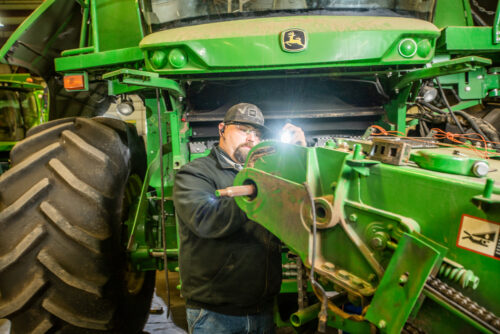
And be sure to clean grass buildup from the underside of the deck, check tire pressure, inspect belts, and make sure the deck is level. Mid-season preventive maintenance can prevent small issues from turning into larger repairs. Our trained technicians support routine inspections, scheduled service, diagnostics, and repairs to keep your equipment running smoothly.
Water Deeply and Monitor Conditions
Good lawn maintenance during summer weather depends on smart watering. Frequent shallow watering encourages shallow root development. Deeper watering helps moisture reach the root zone and supports a more resilient lawn.
Early morning is the ideal time for lawn irrigation thanks to cooler temperatures and limited evaporation. Adjust your watering routine based on weather, soil type, grass condition, and local watering regulations.
Monitor how your lawn responds to watering. If footprints remain visible, blades fold or curl, or color fades, your grass may need more water.
Avoid Pushing Growth During Heat Waves
Fertilizer can support lawn health, but timing matters. Heavy nitrogen applications during heat or drought stress can push fast top growth when the plant is already trying to conserve energy. The right fertilization plan depends on region, grass type, soil condition, and summer expectations.
Follow label directions carefully, water as directed after application, and consider soil testing if the lawn struggles every year. A steady, balanced approach usually serves summer turf better than a quick green-up before a heat wave.
Protect High-Traffic and Problem Areas
Watch curb strips, slopes, play zones, shaded transition areas, and turf near pavement. These spots often face extra heat, compaction, and wear. Dense, healthy grass is one of the best defenses against weeds and summer damage. Pay special attention to high-traffic and problem areas such as:
- Rotate play areas or foot traffic when possible
- Keep trailers, attachments, and parked equipment off turf during hot weather
- Spot-treat weeds instead of treating the whole lawn unnecessarily
- Plan aeration, overseeding, or renovation for the proper season
- Repair irrigation coverage issues before dry patches spread
Match Your Mower to the Property
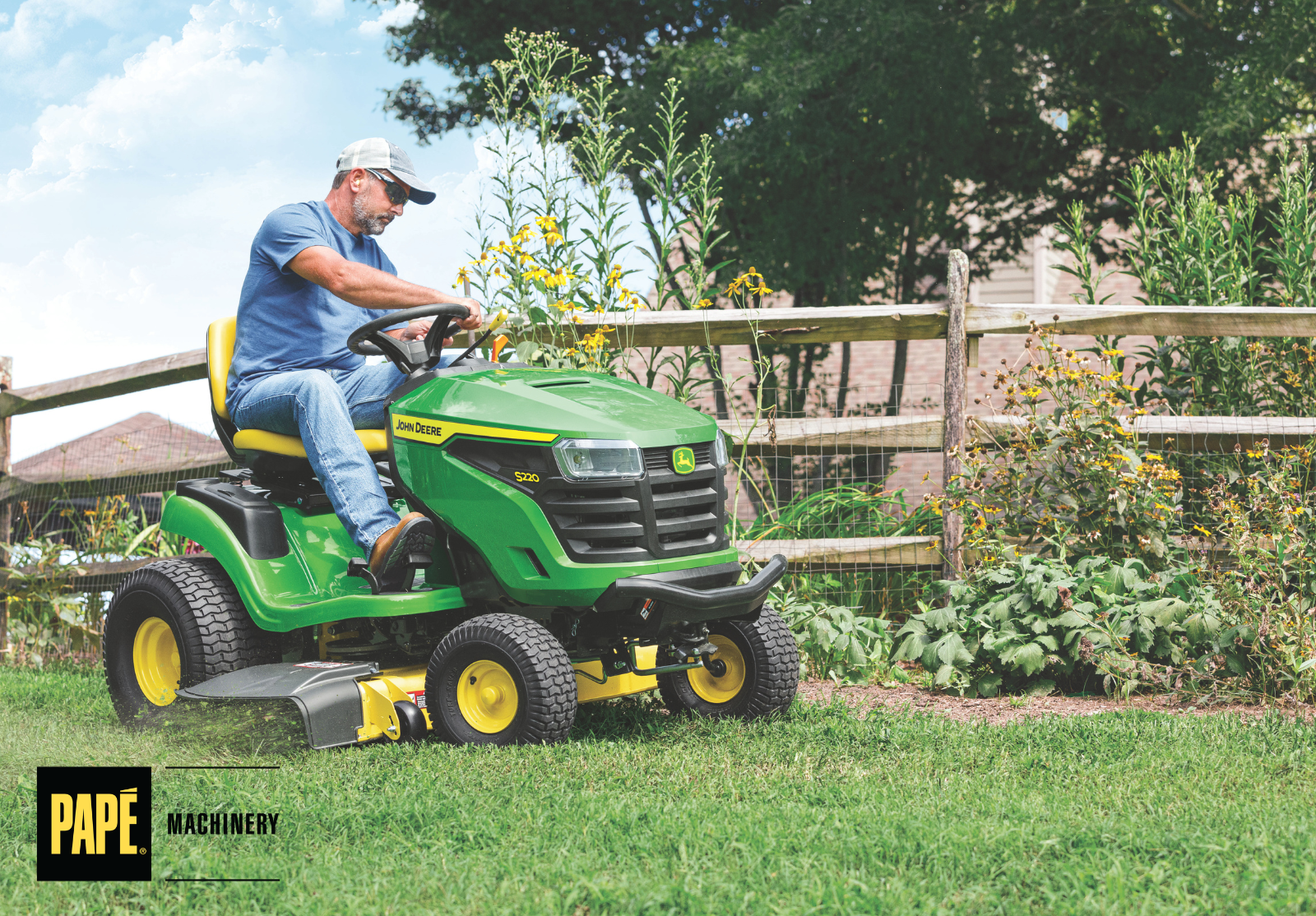
John Deere riding mowers and zero-turn mowers maintain a consistent cut across different property sizes and terrain types. A riding mower can cover large lawns comfortably, while a zero-turn mower can make it easier to maneuver around trees, beds, and other obstacles.
Small to mid-size residential lawns may call for a lawn tractor or riding mower that delivers comfort and consistent cutting. Properties with trees, planting beds, and tight turns often benefit from a John Deere ZTrak™ Mower. Large properties and commercial sites may need commercial mowing equipment designed for speed, productivity, and cut quality.
Detailed areas, narrow pathways, and tight corners may be better served by walk-behind mowers. For commercial properties with intricate landscaping, John Deere QuikTrak™ Stand-On Mowers offer a compact build with ride-on speed and agility.
Mid-Summer Mower Maintenance Checklist
- Check engine oil and air filter
- Clean grass buildup from the mower deck
- Inspect belts, tires, and blades
- Verify deck height for summer conditions
- Grease fittings according to the owner’s manual
- Replace worn parts before they cause downtime
- Schedule service if performance declines
A healthy summer lawn starts with consistent mowing, proper watering, and well-maintained equipment. By reducing stress on your turf and staying ahead of maintenance, you can keep your lawn looking its best throughout the season. For residential mowers, commercial mowing equipment, replacement parts, or seasonal service, visit your local Papé Machinery Agriculture & Turf dealership or explore lawn and garden equipment, commercial mowing solutions, parts, service, and current specials online.