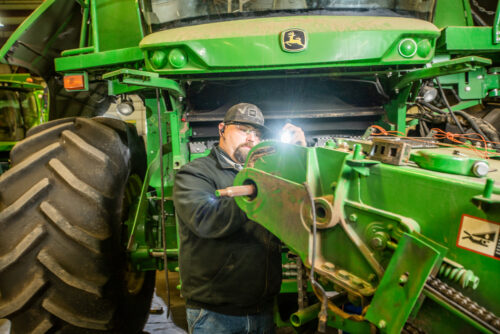



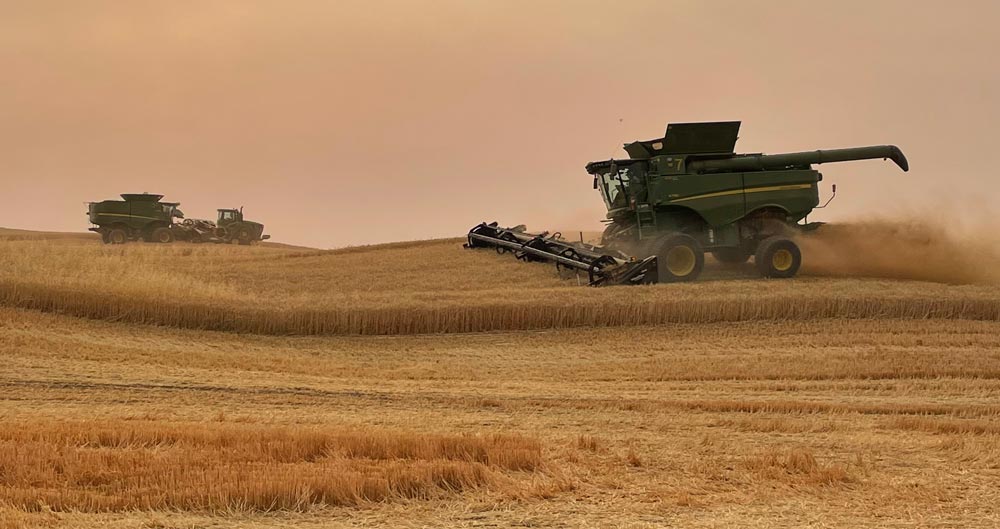
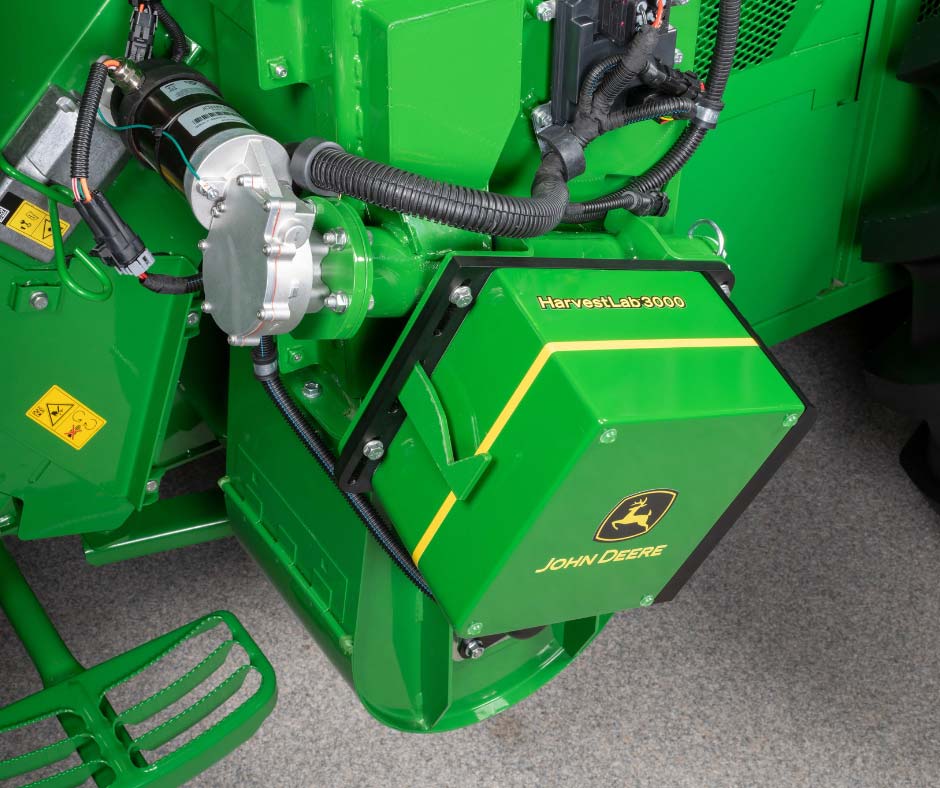
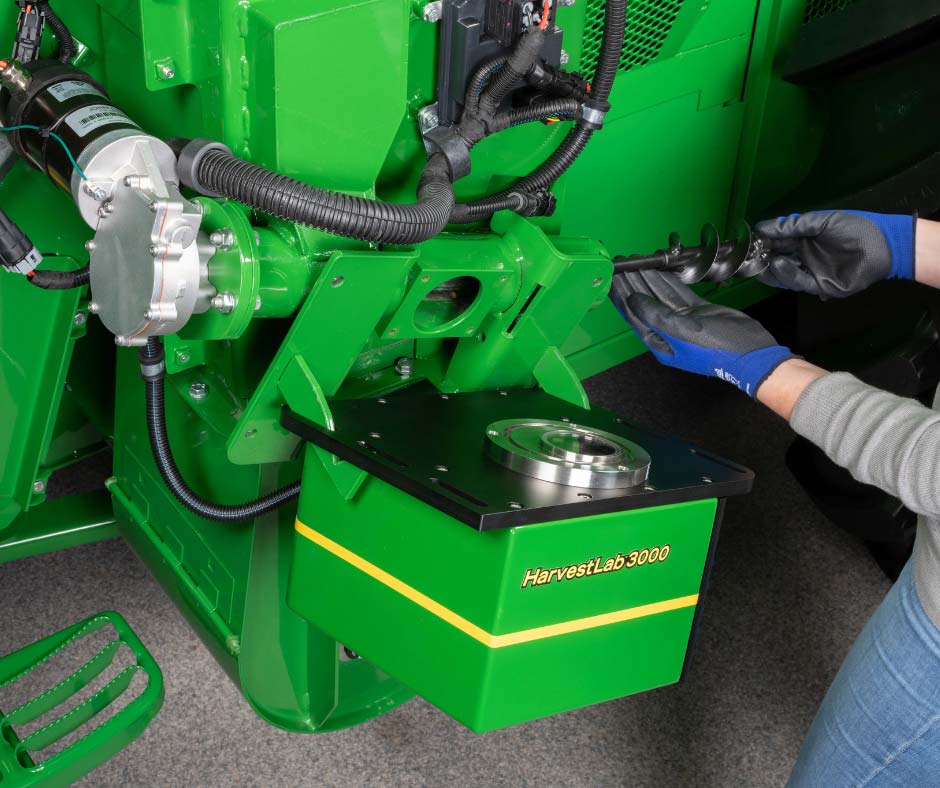
Papé Machinery is interested in finding out! The increasing push to produce more per acre has many asking the question if grain segregation and fertility management should be a focus for these small grain operations. With over a decade of yield mapping capabilities, we have had the ability to tie fertility management decisions to net yields produced on a per acre basis. John Deere continues to produce precision technology with productivity goals in mind, including the recent refocused engineering on the HarvestLab 3000 technology to the Small Grain Production Systems. Having a Near-Infrared Sensor (NIR) installed on the clean grain elevator of the combine with unlock for Grain Sensing Constituents allows us to utilize the Operation Center to analyze Protein, Starch, and Oil Content map layers.
Introduction
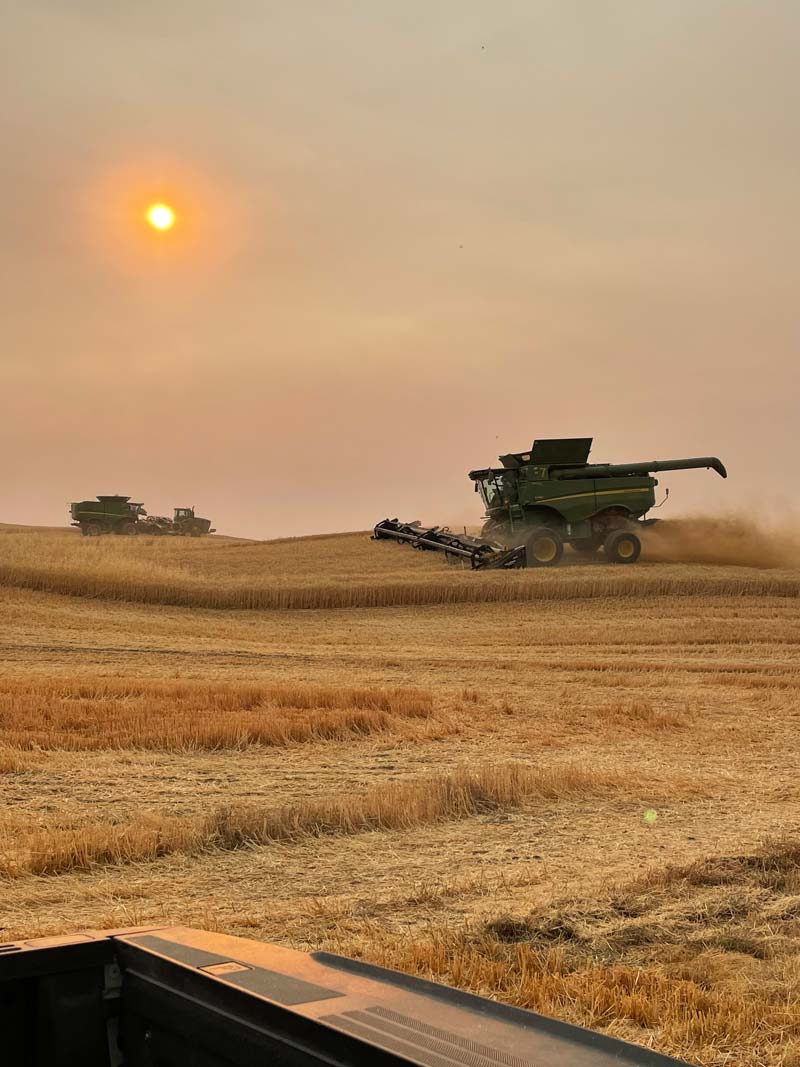
In collaboration with the John Deere – Agronomic Team, Papé Machinery conducted three separate field trials in Northeastern Washington throughout the 2022 cropping season. We focused on collecting Protein Data in Soft White Spring Wheat, Malt Barley, and Dark Northern Spring (Red Wheat), while demonstrating the HarvestLab 3000 technology on S700 series John Deere combines.
Trials
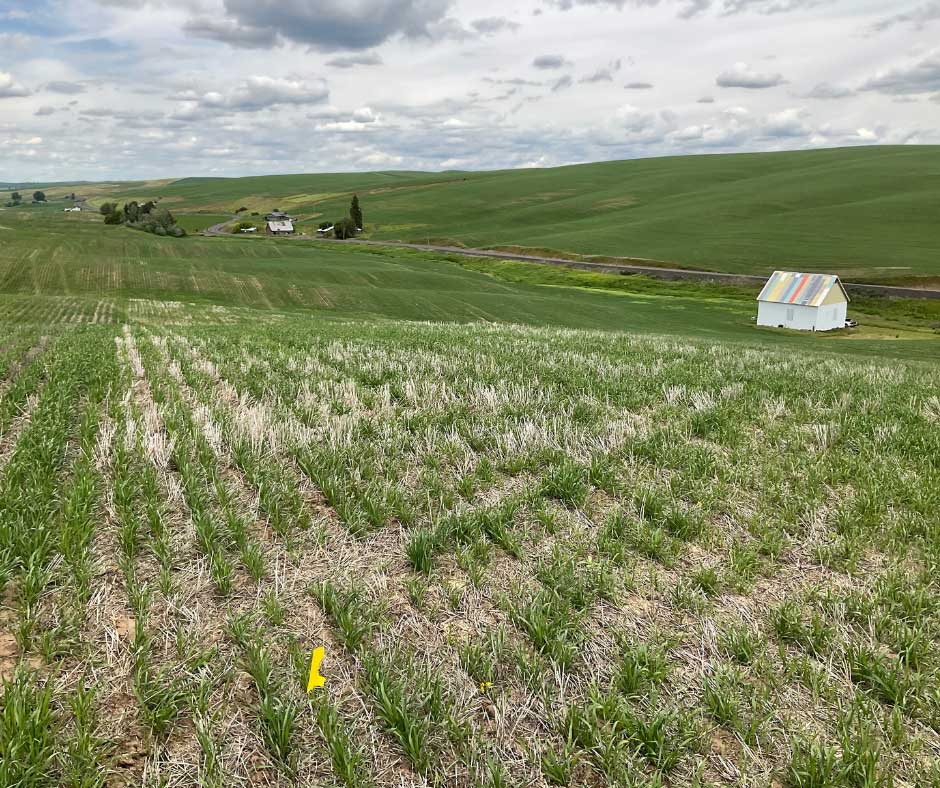
In the Spring of 2022 we built three variable rate prescriptions for our test cooperators’ different crop types to define the treatment sections at
- 1/3 below
- Normal
- 1/3 above
the growers’ normal nitrogen fertilizer rates.
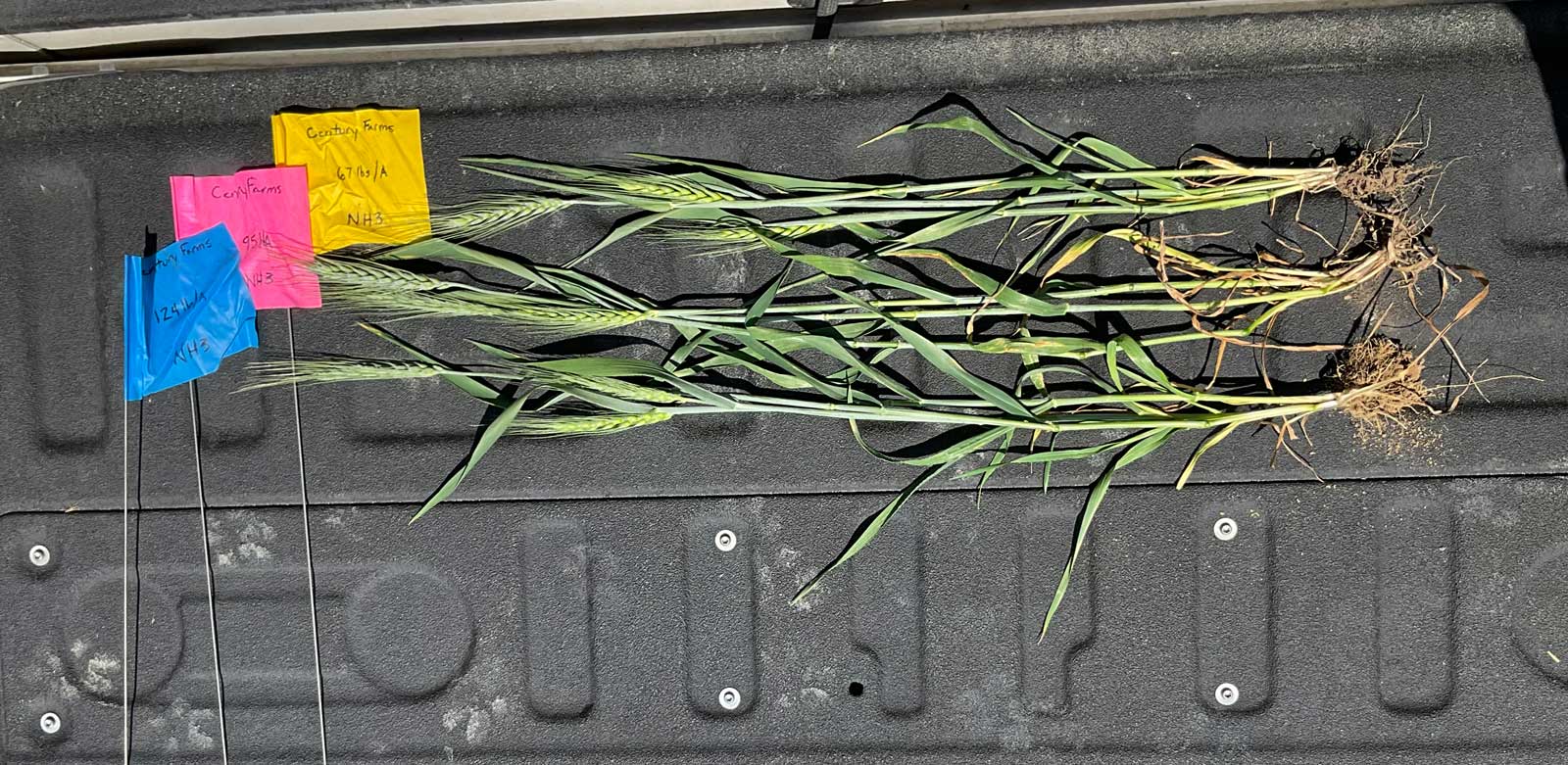
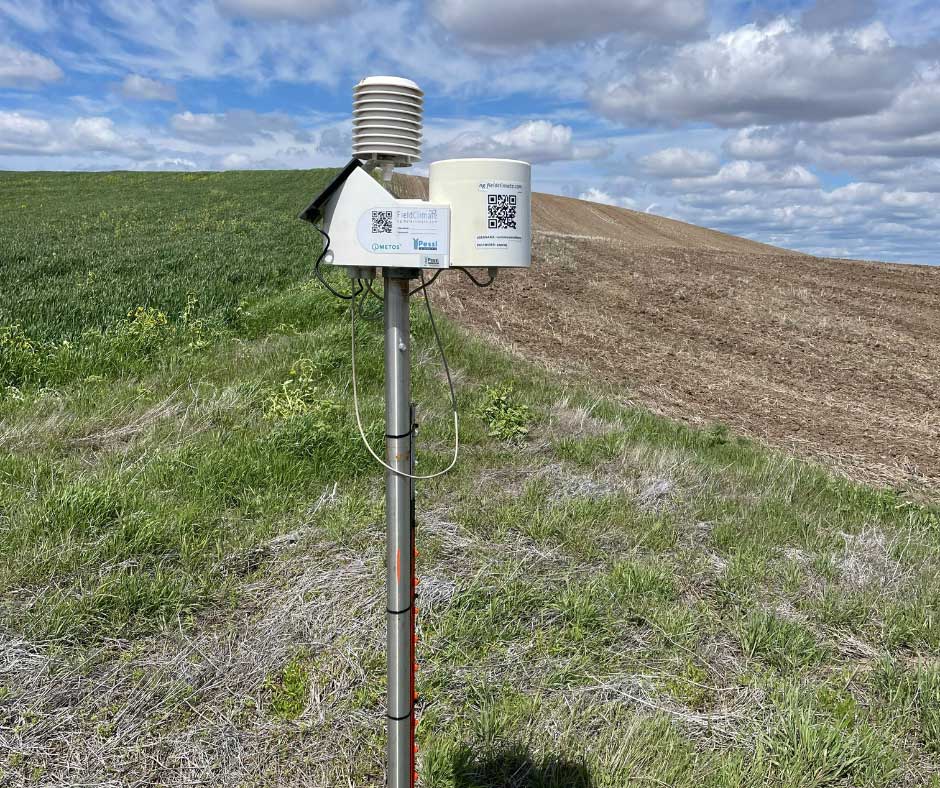
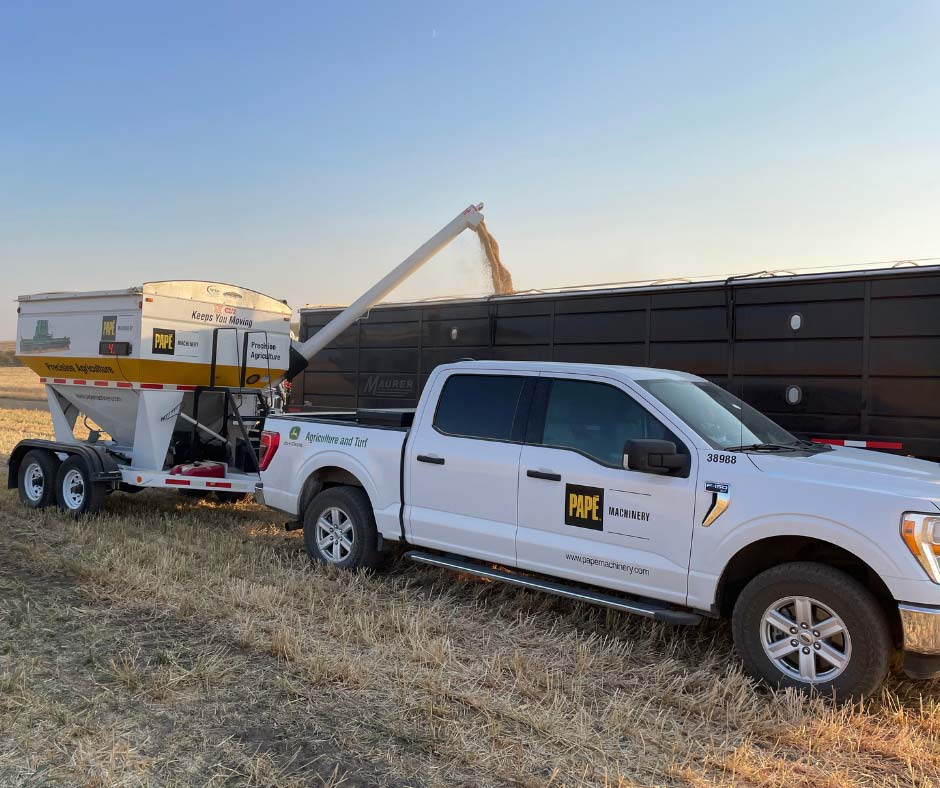
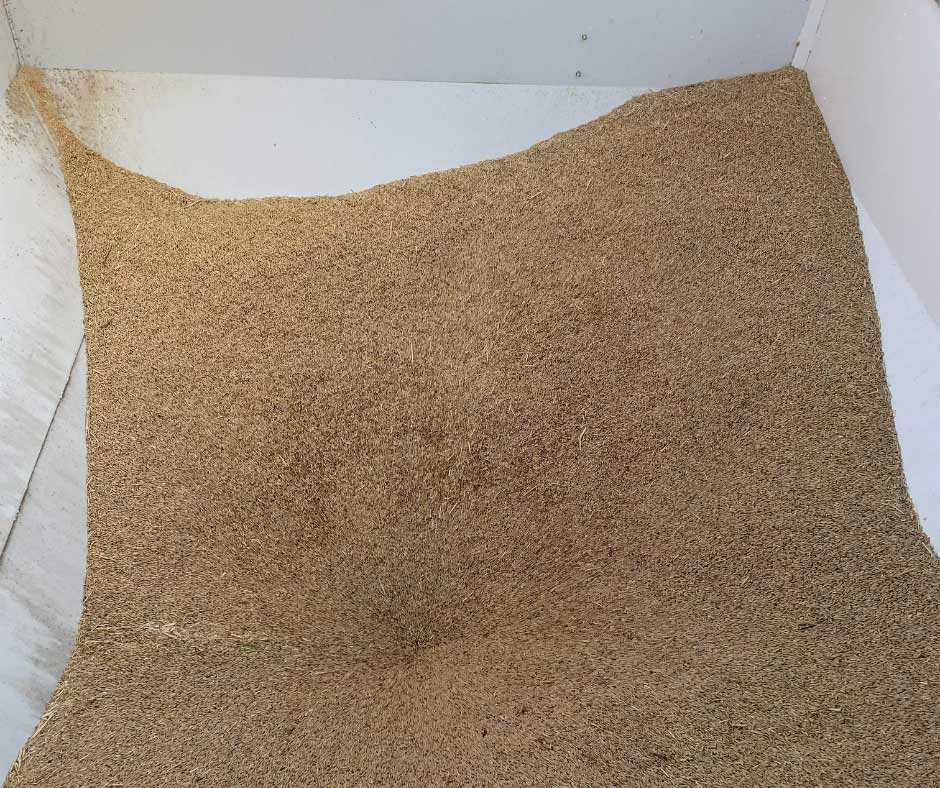
Measurements during the season were taken via satellite imagery at stem elongation and heading growth stages to determine variances in nitrogen uptake. Weather stations were on-site during the duration of the trial, tracking air temperature, soil moisture, and precipitation. At harvest time we segregated trials by field and by load documenting Grain Yield, Protein, Moisture, and Starch, while also pulling samples and checking against the local grain elevators for accuracy as we created data logs to compare in growers’ Operation Center.
Results
Post-Harvest analysis has shown that we were able to extract additional layers of data that we have never been able to see before, including Nitrogen Removal, Crude Protein, Starch, Carbon Inputs, and Crop Zones. As a general analysis across the different crops and spectrums of marketing between them we were able to verify with the increase in Nitrogen lead to the increase in both Protein and Yield. Farming in the Palouse has added dynamics due to the topography in these regions. We were also able to see trends in relations with the Crude Protein alongside Elevation.
What does this technology look like for the agricultural sector when comparing crop quality to processors end product?
After chatting with growers contracted to produce Malt Barley it was mentioned how highly sought-after these contracts were due to price per ton in comparison to Feed Barley. If the grower can hit 11% Protein this allows it to be used by Maltster to then be sold for use in the Brewing Industry. Inconsistent grain quality in protein analysis affects both the Grower and the Maltster. This tool will allow the grower to solidify agronomic management practices to grow more consistent Malt Barley which will help growers stabilize a part of their business in an already floating market. For the Maltster this will allow them to provide longer contracts with consistent prices and give opportunity for different types of brewing processes based on varieties received. This will provide a metric for Brewers to determine there purchasing amounts and types based on the industry standards. This sector of agriculture is just one of the businesses that will have huge opportunities to benefit from this technology moving forward.
Conclusion
In conclusion to the HL3000 Combine Grain Sensing Trials, we have an opportunity to develop industry standards for specific markets that rely on grain, oil, or protein quality metrics. Moving forward we hope to gain another season worth of data to solidify the trends we were seeing in extreme terrain with crude protein production in these crops. If interested in learning more about this project or purchasing opportunities, please reach out to your local Papé Machinery Territory Manager with any questions.