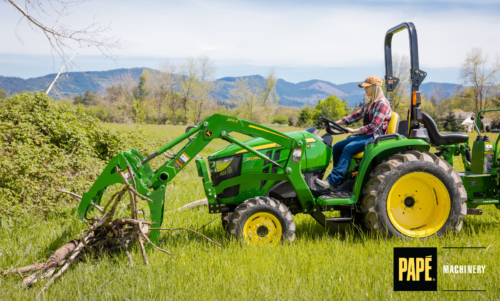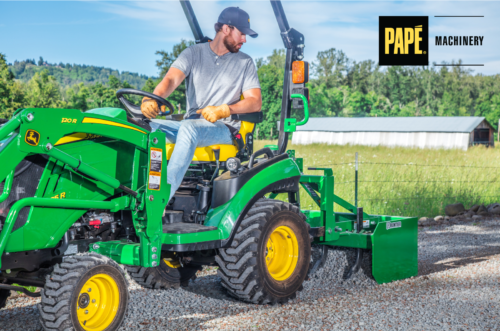




Spring brings long days, heavier implements, and more cycles on every hydraulic function. Loaders lift, remotes run, and steering works harder as fields and properties return to full activity.
A pre-season walkaround focused on hydraulic hoses and seals can save downtime when you would rather be planting and moving material.
Papé Machinery Agriculture & Turf supports John Deere tractors, combines, hay equipment, sprayers, and turf machines with 24/7 service support and mobile service options across the West. This includes safety inspections with hydraulic system checks, along with maintenance programs built around manufacturer-recommended service intervals.
Why Hoses and Seals Deserve a Focused Check
Hydraulic systems rely on clean fluid, intact hoses, and tight sealing surfaces to transmit power. When a hose cover wears through or a seal begins to weep, pressure and heat can quickly turn a small issue into a larger repair.
Spring is a smart time to inspect these components because equipment has often been sitting while workloads ramp up quickly.
Start with Safety and Clean Access
Park on level ground, lower implements, shut down, and relieve hydraulic pressure according to the procedure in your operator’s manual.
Wipe off dusty areas around couplers, fittings, and cylinder glands so new leaks are easier to identify.
Keep hands away from suspected pinhole leaks, as high-pressure fluid can cause serious injury. Use cardboard or wood to help locate a spray pattern.
A Quick Hose Routing Scan
Walk the machine and follow each hose run with your eyes, looking for three common issues:
- Rubbing and Abrasion: Check where hoses contact frame members, loader arms, and brackets. Shiny spots, flattened sections, or exposed reinforcement signal a hose nearing the end of its life. Also look for missing clamps, worn grommets, or protective sleeves that have slid out of place.
- Bend Radius and Kinks: Hoses bent too tightly near a fitting fatigue quickly. Watch for sharp turns at cylinders, remote couplers, and articulation points. Check hose position with the loader raised and with steering at full lock.
- Heat and Chemical Exposure: Hoses routed near exhaust components or high-heat shields can harden over time. Fertilizer and chemical residue can also shorten hose life. Look for cracking or a brittle cover.
Fittings, Couplers, and Hard Line Junctions
Leaks often appear at transition points rather than along the hose body:
- Wetness at Crimp Ends: Oil around the ferrule can indicate a developing failure at the crimp or fitting.
- Swivel Fittings: Vibration can loosen connections. Clean the area, operate the function, then look for a fresh ring of oil.
- Quick Couplers: Inspect remote couplers for damaged tips, cracked dust caps, or debris. A coupler that drips under pressure wastes fluid and attracts dirt.
If you find a suspect hose, replace it with the correct pressure rating, length, and end fittings for your machine. Papé Machinery carries OEM and aftermarket parts for many makes and models, and our technicians can help source or install the correct assembly.
Seal Inspection Points That Matter in Spring
Seals wear in predictable locations, especially on components that cycle constantly:
- Cylinder Rod Seals and Wipers: Loader lift, bucket tilt, and three-point hitch cylinders are common inspection points. Look for a light oil film on the rod, then check for dirt collecting in a damp band.
Inspect rod surfaces for nicks or rust that can accelerate seal wear.
- Valve Blocks and Control Valves: A damp seam on a valve block or at an O-ring joint may be the first sign of seepage. Clean the area, run the function, and recheck.
- Axle and Steering Areas: Steering cylinders and front axle seals often see additional demand once spring work begins. Catching a small leak early can prevent a bigger cleanup later.
Fluid Condition Supports Hose and Seal Life
Hydraulic fluid is the lifeblood of the system. A quick fluid level check during pre-start inspections supports consistent performance for lift, drive, and steering while protecting critical hydraulic components.
If oil looks milky, smells burnt, or contains debris, schedule a fluid and filter service that matches the OEM recommendations.
A simple spring hydraulic inspection checklist:
- Clean areas around hoses, fittings, and cylinder glands
- Inspect hose covers for abrasion, cracking, blisters, or exposed braid
- Confirm clamps, grommets, and protective sleeves are in place
- Check hose position through the full range of loader and steering motion
- Inspect quick couplers for damage or debris
- Look for seepage at crimp ends and O-ring joints
- Check cylinder rods and wipers for oily bands and dirt buildup
- Verify hydraulic fluid level and review service intervals
Spring success depends on steady uptime. A focused hose and seal inspection now helps ensure smooth, responsive hydraulics when workloads increase.
Plan the Fix Before the Rush
When you spot an issue, decide on the next step while your schedule still has room. Some repairs are perfect for an in-shop service day, while others benefit from trained technicians, especially when access is tight or the leak is hard to pinpoint.
Papé Machinery Agriculture & Turf provides service support through a network of locations across the Western U.S. You can request service online or connect with your local store to plan a spring inspection.