

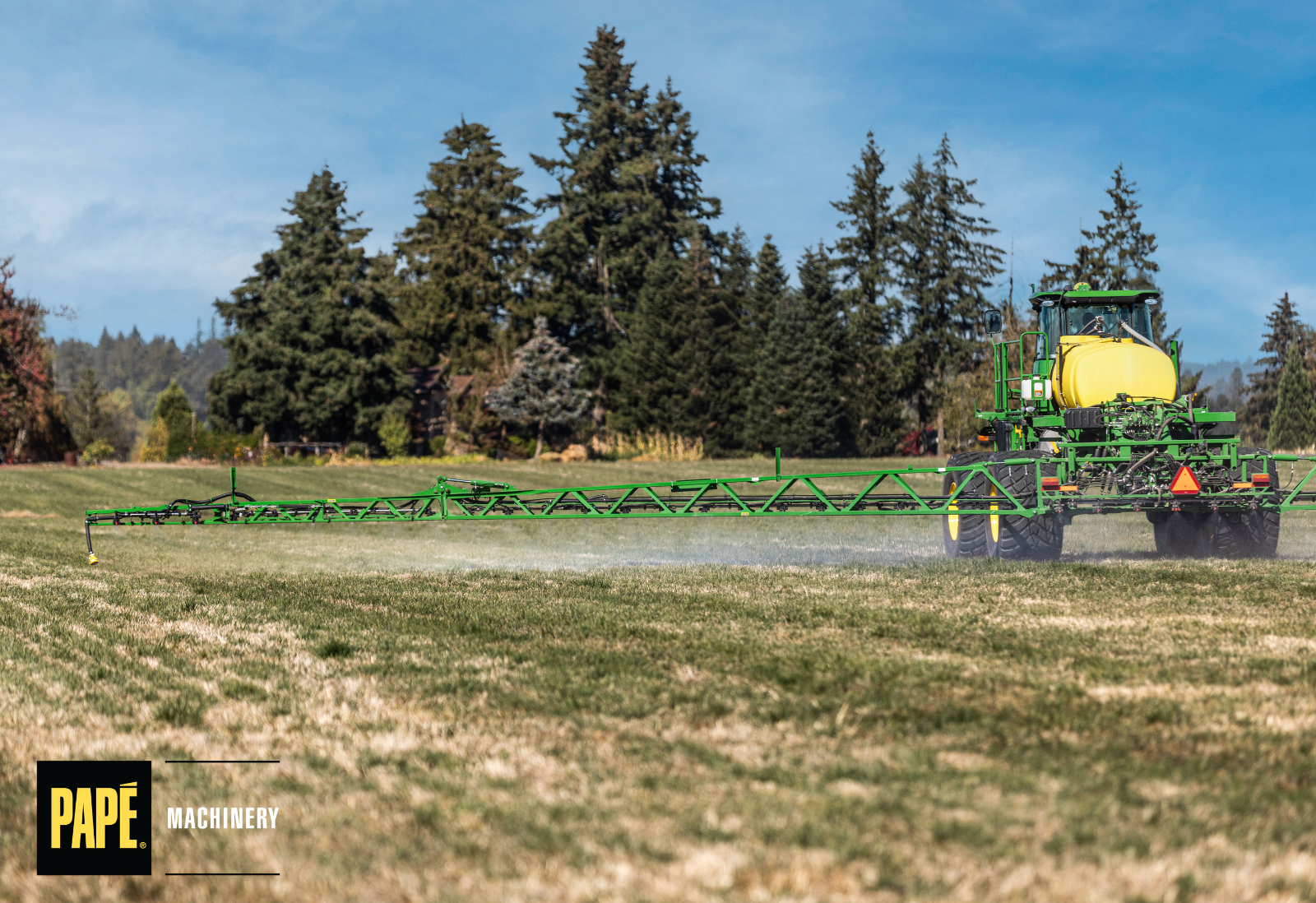
Spring rain supports growth and helps set the stage for a strong season. It can also speed up weed pressure, raise disease concerns, and compress the window for timely applications once the ground is ready.
Papé Machinery Agriculture & Turf offers John Deere sprayers and applicators alongside Precision Ag tools built to help growers respond when those short opportunities open up.
That timing is critical. After a wet stretch, crop conditions can change quickly. Weeds gain ground fast, vulnerable areas become more obvious, and delays can lead to more passes, more input use, and more pressure on yield potential. A sprayer that fits your acres, field conditions, and management goals helps you move with more confidence when conditions change.
Why Spring Rain Changes the Spraying Calculation
Wet spring weather affects more than crop growth. It also impacts field access, application timing, and the cost of delayed decisions. Once fields begin drying out, application windows can be short. That means equipment performance becomes part of your crop-health strategy. A well-matched sprayer helps you:
- Cover acres efficiently during narrow weather windows
- Apply products more consistently across the field
- Reduce overlap and unnecessary waste
- Respond earlier to weed and disease pressure
- Protect yield potential through timely action
These benefits add up when conditions are moving fast. The goal is steady, accurate application that supports healthier fields and better use of every pass.
How Sprayers Help Protect Field Health
Field health depends on timing, consistency, and placement. When spring conditions shift, the right sprayer helps bring all three together.
Timing is often the first challenge. After rain, growers may only have a brief stretch to get through the field. A sprayer with the right capacity and productivity helps make the most of that opportunity.
Consistency also matters. Uneven ground conditions after moisture can make application quality harder to maintain. Good boom performance and stable coverage help keep products where they need to be and support more uniform results across varying terrain. John Deere’s precision spraying technologies are also designed to support targeted application and reduce unnecessary use.
There is also the question of input efficiency. Every overlap, missed section, or poorly timed pass puts more pressure on the budget. Precision-focused sprayer setups can help growers manage inputs more efficiently while still addressing issues early, when field pressure is easier to control.
What to Look for in a Post-Rain Sprayer Setup
Choosing a sprayer after a wet spring starts with the realities of your operation. The right fit comes down to field conditions, acres, and the level of precision you want to bring into each pass. Here are a few practical factors to think through:
Capacity and Coverage
If you need to treat a lot of acres in a tight window, productivity becomes a top priority. Tank size, boom width, and overall efficiency can make a major difference when conditions line up and it is time to move.
Terrain and Field Variability
Wet spring conditions often leave fields uneven and challenging. Application consistency across changing ground is important for protecting coverage quality.
Precision Capabilities
Technology that helps reduce overlap and improve application accuracy can support stronger input management. This allows you to make better decisions with real-time visibility and less waste.
Monitoring and Machine Visibility
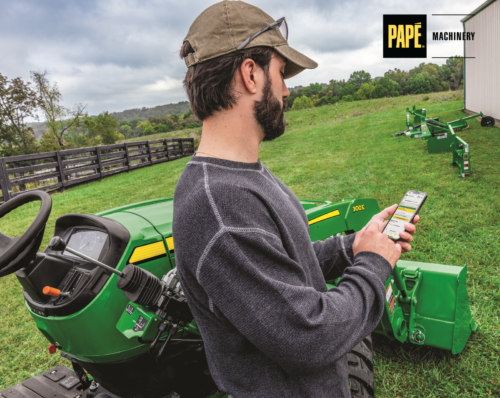
Connected tools can help you keep tabs on machine performance, maintenance needs, and workflow planning, which becomes especially valuable during busy spray periods.
How Precision Ag Improves Spraying Decisions
Precision Ag strengthens spraying by helping growers pair field conditions with better information. Precision Ag tools like the John Deere Operations Center, ExactApply, JDLink, See & Spray, and Smart Apply support informed spraying decisions in a different way.
JDLink adds machine visibility through real-time data, maintenance awareness, diagnostics, and file transfer capabilities that help keep operators and machines aligned in the field.
John Deere ExactApply uses Pulse Width Modulation (PWM) technology to control individual spray nozzles with high-speed precision. By pulsing the nozzles on and off multiple times per second, the system helps maintain consistent spray pressure and droplet size even as ground speeds change throughout the field.
For a more targeted application, See & Spray Ultimate uses computer vision and machine learning to target weeds with precision, while Smart Apply uses sensors and real-time decision-making to apply chemicals only where needed. Smart Apply can reduce chemical usage by up to 90%, helping support tighter application control, lower input costs, and better field-level decision-making.
Whether you are new to precision ag technology or looking to get more from your existing equipment, here’s a simple introduction to what Operations Center can do for your operation.
Why Support Matters During Narrow Application Windows
The machine matters. So does the backing behind it.
During spray season, downtime can carry a high cost. Parts delays, service issues, or missed maintenance can quickly narrow an already short application window. At Papé Machinery, we offer parts and service support, Precision Ag solutions, and locations across the West, with a strong focus on helping customers maximize uptime during critical spray windows. That support can play a big role when every day in the field counts.
Healthy fields often come down to acting in the right window with the right level of precision. A well-matched sprayer helps support timely applications, consistent coverage, smarter input use, and stronger day-to-day decision-making. If you are planning for the season ahead, now is a good time to explore sprayers and applicators, connect with your local Papé team, and look at how Precision Ag tools can strengthen your spraying strategy.