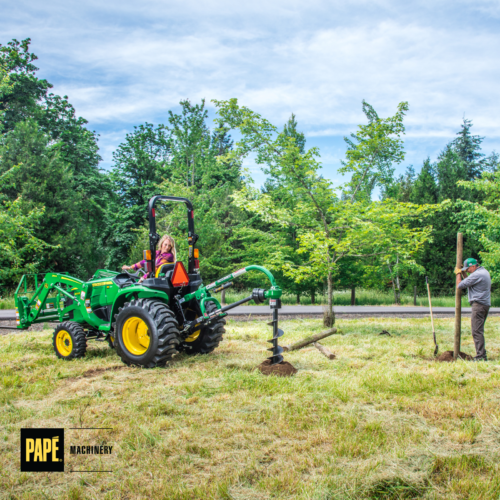




Cold mornings demand more from your equipment. Oil thickens and batteries deliver less, diminishing power when you need it most. A smart winter storage routine protects tractors, mowers, gator utility vehicles, and handheld tools so they come back to work with confidence when the season turns.
A little winter maintenance now helps prevent springtime no-start headaches. Here’s a practical approach you can follow on the farm, around the shop, or at a commercial yard.
Start with the Right Storage Environment
Pick a space that stays as dry and stable as possible. A roof overhead matters, and a concrete or gravel floor helps keep moisture down. If indoor storage is available, aim for a clean, covered bay with steady temperatures.
For outdoor storage, invest in a fitted cover designed for equipment. Support the cover so water sheds away from the seat, controls, and battery area, and leave room for airflow to reduce condensation.
Clean First, Then Protect
Winter storage starts with cleanup. Remove plant material, mud, and fertilizer residue, especially around the engine bay, radiator screens, mower decks, and frame rails. Let everything dry completely before parking it for the season.
Lubricate grease points and hinges. Check that rubber seals and hoses look healthy, since cold weather can expose small cracks and leaks.
Battery Performance Changes in the Cold
Batteries are chemical systems, and cold temperatures slow the reaction that produces current. That’s why a battery that feels fine in mild weather can struggle during a freezing start. Battery strain is a common cold-weather issue, especially for diesel machines that need strong cranking power.
Your goal is simple: keep batteries charged, keep connections clean, and store them where temperatures stay moderate.
Lead-Acid Battery Care for Tractors, Mowers, and UTVs
If your equipment is expected to sit for several weeks, plan on one of two paths: disconnect the battery or maintain it.
- Inspect and Clean the Connections: Clean battery terminals and tighten connections. Look over cables for wear, corrosion, or loose ends.
- Charge the Battery Before Storage: Charge the battery fully before it sits. If your battery has serviceable caps, confirm the electrolyte level per the battery manufacturer’s guidance.
- Disconnect for Longer Storage or Use a Maintainer When Power Is Available: Either disconnect the negative cable first, then the positive. Store the battery upright in a warm, dry spot. Or if using a quality battery maintainer this will keep voltage in the ideal range. Connect the maintainer leads securely, route the cords away from pinch points, and check the setup periodically.
- Watch for Warning Signs: Slow cranking, dim displays, and frequent jump starts suggest a battery near the end of its useful life. A load test at your local PMAT branch can confirm battery health before the next cold snap.
What About Equipment That Runs Through Winter?
Some machines keep working all season, especially feed operations, winter field chores, and snow management. In that case, battery care needs to be a weekly habit.
Keep terminals clean and protected, and check hold-downs so vibration stays under control. If the machine has a block heater or other starting aids, confirm they function before the first hard freeze.
Your Pre-Season Checklist
When it’s time to put equipment back to work, start with a quick inspection:
- Reconnect batteries and confirm clamps are tight.
- Check for chewed wires and nests around the engine bay.
- Start the machine and let it idle briefly while you watch gauges.
- Schedule any overdue preventive maintenance before peak workload.
Need help getting winter-ready? Papé Machinery Ag & Turf supports customers across the West with parts, preventive maintenance, and 24/7 service support through our network of locations.